
Same Day Shipping 

On in-stock orders placed by 3:00pm EST (Monday-Friday)

RoHS & Reach Compliant 1-440-934-0444

Resources
  • About
  • Shipping Info
  • FAQs
  • Learning Center
  • TechTalk Blog
  • Reviews
Contact
  •   Call Us 1-440-934-0444
  •   We're online Live Chat
  •   Contact Us
My Account
  • My Dashboard
  • My Quotes & Custom Parts
  • My Orders
  • My Compare
  • My Project List
  • My Wishlist
  • Sign Out
My Cart
Toggle Nav Polycase Logo Polycase Logo Toggle Nav
Menu
  • Products
    • Enclosure Categories
      • By Application
        • Outdoor
          • Waterproof
          • Electrical
          • Junction Box
          • Pole Mount
        • Indoor
          • Desktop
          • General Use
          • Handheld
          • Key Fob
          • Plug-in
          • Potting Box
          • USB
          • Indoor Waterproof
      • By Material
        • Plastic
          • ABS
          • Polycarbonate
        • Metal
          • Aluminum
            • Diecast Aluminum
            • Extruded Aluminum
          • Steel
            • Stainless Steel
            • Carbon Steel
      • By Design Feature
        • Battery Compartment
        • Clear Cover
        • Din Rail Enclosure
        • Flanged/Surface Mount
        • Hinged Cover
        • Knockout
        • Lockable
        • Low Profile
        • Snap Together
        • Made in USA
        • Best Sellers
      • By Rating
        • NEMA Rated
          • NEMA 1
          • NEMA 2
          • NEMA 3R
          • NEMA 4X
          • NEMA 5
          • NEMA 6P
          • NEMA 12
          • Show All
        • IP Codes
          • IP65
          • IP66
          • IP67
          • IP68
        • UL Listed
    • Enclosure Solutions
      LEARN MORE
    • Accessory Categories
      • Cable Glands, Plugs & Venting
      • Waterproof NEMA Accessories
      • Panels
      • DIN Rail Kits
      • Pole Mount Kits
      • Screws
      • Potting Box Covers
      • Mounting Kits
      • Misc. Accessories
      • Shop All
  • By Size
  • By Series
    • Menu 1 - Tabs
      • A - E
        • AG
          AG Series
        • AL
          AL Series
        • AN
          AN Series
        • BF
          BF Series
        • BT
          BT Series
        • BX
          BX Series
        • DC
          DC Series
        • EK
          EK Series
        • EX
          EX Series
      • F - M
        • FB
          FB Series
        • GS
          GS Series
        • HD
          HD Series
        • HN Series
          HN Series
        • HP
          HP Series
        • ID
          ID Series
        • JB
          JB Series
        • KT
          KT Series
        • LP Series
          LP Series
        • ML Series
          ML Series
      • N - T
        • NX
          NX Series
        • PM Series
          PM Series
        • QS Series
          QS Series
        • RW Series
          RW Series
        • SA Series
          SA Series
        • SB Series
          SB Series
        • SG Series
          SG Series
        • SK Series
          SK Series
        • SL Series
          SL Series
        • SN Series
          SN Series
        • TS Series
          TS Series
        • TX Series
          TX Series
      • U - Z
        • USB Series
          USB Series
        • VK Series
          VK Series
        • VM Series
          VM Series
        • WA Series
          WA Series
        • WC Series
          WC Series
        • WH Series
          WH Series
        • WP Series
          WP Series
        • WQ Series
          WQ Series
        • XR Series
          XR Series
        • ZH Series
          ZH Series
        • ZN Series
          ZN Series
        • ZQ Series
          ZQ Series
      • View All
    • Accessories By Series
      • PCB Mounting Screws
      • PCB Mounting Standoffs
      • Pole Mount Kits
      • DIN Rail Kits
      • Cable Glands and Seals
      • Venting Accessories
      • SHOP ALL
  • Cutouts & Graphics
    • Menu Item
      • CNC Machining
        CNC Machining
      • Digital Printing
        Artwork & Logos
    • Menu Item

      Customize Your Polycase Enclosure

      Instant Quote

  • Customization Quote
Account
Search
Advanced Search
  • My Compare ()
CNC Icon
CNC Machining & Graphics  | Instant online pricing on custom enclosures that ship in as little as 1 week. View Capabilities
  • <
  • Tech Talk
March 17, 2022

What Is the Difference Between EMI and EMC?

In Customized Electronic Enclosures
Share
What Is the Difference Between EMI and EMC
Electromagnetism is one of the most powerful forces of physics, and one of the most useful. Without it, we wouldn’t have any kind of electronic devices, or any electricity at all! However, because electromagnetism is so powerful, it can also cause undesirable effects in electrical and electronic equipment when it operates in an uncontrolled way.This rogue form of electromagnetism is called electromagnetic interference (EMI). It can jam sensors, knock out signals, damage equipment and generally create headaches for people operating electronic devices. Since EMI can be responsible for all kinds of common equipment malfunctions, device designers and builders incorporate electromagnetic compatibility (EMC) features to mitigate EMI in their products. What is EMI, and how is it different from EMC? These are two of the core concepts that anyone who wants to protect their device from interference should understand. Ahead, we’ll look at how to define EMI vs. EMC, how the two concepts interact and how they can affect your choice of protective electronic enclosures.

What Is EMI?

Electromagnetic interference is a term that can apply to any kind of unwanted electromagnetic signal that interferes with a device’s operation. Numerous types of electronic devices can be sources of EMI, from microwave ovens to smartphones to medical equipment. In addition, EMI can come from other sources like weather phenomena and power quality problems.The two main types of EMI are:man using walkie talkie
  1. Radiated EMI: EMI that a device radiates into the atmosphere around it, such as the disruption that a microwave or walkie-talkie can cause in WiFi signals nearby.
  2. Conducted EMI: EMI that travels through conductive power connections, such as noise in electrical supply lines or Ethernet cables.
Radio frequency interference (RFI) is the most familiar type of EMI to most people, but it’s not the only one. EMI can occur all the way across the electromagnetic spectrum, but RFI is common because so many devices receive and transmit using the radio spectrum. The severity of the effects of EMI varies widely, from momentary interruptions of non-essential systems all the way up to potentially catastrophic equipment failure. Devices that use more electricity often produce more EMI. That means that it’s particularly important to reduce EMI in industrial environments, where numerous high-draw devices may operate simultaneously, and even a brief hiccup in operations can have consequences for safety and productivity.To complicate things further, many devices can be both sources of EMI and receivers of it. Thus, even as the device’s own performance is suffering from the interference it receives, it might be emitting its own interference that affects the performance of other devices! (Talk about a lose-lose situation.)For a deep dive into the various types of EMI, see our EMI shielding guide. Whatever type you’re dealing with, however, the existence of EMI is practically inescapable in our world full of electrical and electronic equipment. The only solution is to design devices and systems that find practical ways to mitigate EMI.emi and emc what is

What Is EMC?

Electromagnetic compatibility is a field of research and regulation that focuses on controlling and reducing EMI emissions from electrical and electronic devices. EMC studies how various devices interact and how to ensure that devices play nicely together when they’re in the same area or the same network.EMC is divided into two major types:
  1. Emission: Controlling how much EMI the device emits and under what circumstances
  2. Susceptibility: Controlling how susceptible the device is to EMI emitted from other devices
The various tests, standards and EMI shielding techniques of EMC are designed to address one or both of these types. Because many electronics can both emit and receive EMI, most devices are required to meet standards for both emission and susceptibility. Moreover, these standards constantly evolve as new electronic technologies become commonplace.Various scientific agencies around the world establish and maintain a variety of EMC standards and regulations. The first to do so was an organization called CISPR, formed in 1933 by several European governments to study and regulate EMI emissions. Since then, numerous nations have written their own EMC standards, including the United States, which formally implemented EMC regulations on most electronic devices in 1979.

EMI vs. EMC: The Difference & the Relationship

Ultimately, the difference between EMI and EMC could be compared to the difference between weeds and gardening, or between rats and pest control. EMI is an undesirable phenomenon, while EMC is a set of rules and practices for controlling that phenomenon. Without EMI, EMC is unnecessary — without EMC, EMI can cause big problems.emc engineer troubleshooting measurementsA thorough understanding of both EMI and EMC is critical for anyone who designs electrical or electronic devices. The number of connected electronic devices continues to soar, especially as internet of things (IoT) and industrial internet of things (IIoT) devices proliferate. New technologies also frequently challenge existing EMC standards by finding new ways to use the electromagnetic spectrum.Thus, it’s important to understand EMI as an ever-evolving threat and EMC as a continually-revised set of best practices to combat that threat. Cooperation is a critical factor. An EMC standard is of limited use if other devices nearby don’t use the same standard. That’s why, for example, the EU has a common EMC system for all of its member nations.However, what does the implementation of an EMC standard look like in practice? How do manufacturers test their devices to ensure that they actually comply with relevant EMC regulations? We’ve got some illuminating examples coming up next.

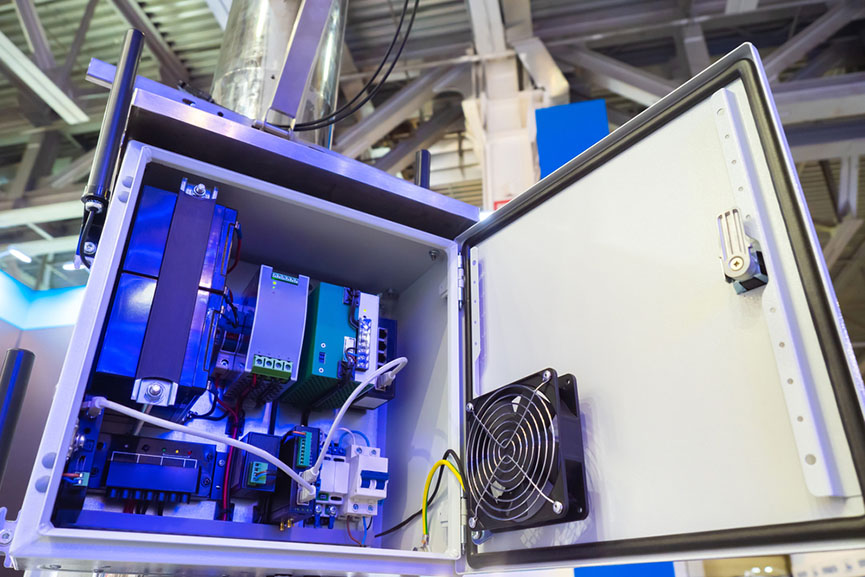
How EMC Applies to Device Manufacturers

To illustrate how EMC standards are implemented, let’s look at an example that’s probably present on several devices within your reach right now. We’re talking about the manufacturer’s declaration of FCC compliance that you’ve probably seen imprinted on numerous types of small electronic devices that use the RF spectrum: “This device complies with Part 15 of the FCC Rules.”Part 15 is one of the most important sections of the FCC’s laws on radio spectrum uses. Because almost all electronic devices can potentially emit some level of EMI, it’s crucial to have a common set of EMC rules. Part 15 provides EMC design and testing standards that ensure everyday electronic devices can be used in the same area together, and that these devices won’t interfere with licensed broadcasters, emergency frequencies or military technologies.The standards in Part 15 aren’t foolproof, and some devices can still cause interference. (That’s why you have to put your phone on airplane mode before takeoff when flying.) However, Part 15 creates a baseline level of compatibility that allows most types of common electronic devices to work more or less comfortably alongside one another.Numerous other EMC compliance standards exist, some of them much more specific. Certain industries, such as the automotive industry and medical technologies, have their own required EMC standards. The specialized and high-stakes nature of these industries necessitates specific EMC rules for their equipment. However, despite the enormous number of EMC standards today, more are always on the horizon. emi and emc standards

EMI and EMC: The Need for New Standards

When EMC standards aren’t updated to match current technology, the results aren’t pretty. In early 2022, for example, telecom companies’ rollout of 5G service hit its latest speed bump when airlines began issuing urgent warnings that radiated interference from 5G antenna towers could affect frequencies similar to those used by the radar altimeters in airplanes. The result was an impasse that delayed the full debut of 5G yet again.The core issue: Despite the impending widespread rollout of a new technology, stakeholders still hadn’t created suitable EMC regulations to ensure that it didn’t interfere with critical systems. As technologies like 5G that emit strong RF signals become more commonplace, it will only become more important to proactively collaborate on developing EMC standards for these technologies. Robust EMC compliance testing is one major part of that effort.

How Do Manufacturers Test for EMC Compliance?

To certify their devices’ compliance with EMC standards, manufacturers first have to perform EMC compliance testing. UL and other compliance testing organizations perform testing against a wide variety of EMC standards. Testing standards vary widely by country and by industry, but all involve assessing the device’s capacity for EMI emissions as well as its ability to withstand them from other devices. Methods of testing also vary, but most radiated emissions tests involve broadcasting certain EMI frequencies at a device (to test its immunity) or using highly sensitive antennas to measure EMI output (to test its emissions). These tests often use an anechoic chamber to ensure a background that’s as free of extraneous frequencies as possible. Depending on the application, testing for conducted EMI may also be required. These tests involve tools such as Line Impedance Stabilization Networks (LISNs), which are used to measure RF noise at specific frequencies. It’s also important that immunity testing accounts for both transient and continuous interference. Transient interference includes single-event phenomena such as electrostatic discharges and switch operation, while continuous interference refers to persistent phenomena such as line noise. EMC testing standards typically mandate that testing processes include both types. emi shielding tools

How Can I Shield My Devices from EMI?

Device designers use a wide variety of methods to equip their devices with EMI shielding. While every application requires a slightly different approach, many use some or all of the following tools:
  • Natural EMI Shielding: Metal enclosures can provide natural shielding for sensitive devices because they’re made from electrically conductive materials that absorb radio waves.
  • EMI Shielding Systems: If an enclosure isn’t naturally EMI-resistant, device designers might employ methods such as adding a coat of EMI shielding paint or an EMI shielded gasket. Shielded cables can be another useful option.
  • Grounding: A well-designed, low-impedance grounding system can give EMI frequencies a safe way to discharge themselves.
  • Preventing EMI Generation: Another effective way to reduce the influence of EMI is to prevent it from being generated. For example, an engineer might change the arrangement of wires in a junction box to avoid generating crosstalk interference.
  • Power Conditioning: These devices, such as power line filters, can mitigate certain upstream interference types such as voltage spikes.
The relevant set of EMC standards for your application will often specify certain methods of EMI protection. To avoid failed EMC tests, be sure to start by understanding the standard practices of EMC in your industry.

Where Can I Find an Enclosure with EMI Shielding?

Polycase’s metal enclosures provide an inherent level of EMI attenuation through their materials, such as stainless steel and diecast aluminum. Device designers use Polycase enclosures for many different types of devices that require excellent EMI protection, including:
  • Industrial control boxes
  • A/V equipment
  • Sensor instruments
  • Server equipment
  • Medical devices
In addition to natural RFI and EMI protection, our enclosures also offer key features like outdoor NEMA and IP ratings. From hinged access panels to waterproof silicone gaskets, these metal enclosures are built to give you the toughest outdoor performance. See Polycase’s full selection of metal enclosures for more details!metal electronic enclosureNote that metal enclosures may not be suitable for electronic devices that require wireless communication. These enclosures block all kinds of radiated signals from entering or exiting the enclosure, including WiFi and Bluetooth. In cases like these, it might be necessary to add an external antenna or to choose a plastic enclosure. As your one-stop enclosure shop, Polycase is always happy to help you find exactly the box you need. EMI shielding is one of the many factors you can ask our experts about. Just call us at 1-800-248-1233 or contact us online! uniqdes/Shutterstock.comSergeyBitos/Shutterstock.comkmzway/Shutterstock.comFOTOGRIN/Shutterstock.comACTS_DATA STOCK/Shutterstock.comwatin/Shutterstock.comguruXOX/Shutterstock.comAudrius Merfeldas/Shutterstock.comFriends Stock/Shutterstock.com
In Customized Electronic Enclosures
0 Comment

Stay in the Know

We'll send product news and knowledge right to your inbox

Newsletter
  • Twitter
  • Facebook
  • Instagram
  • Linkedin
  • Youtube
  • Products

    • Shop By Category
    • Shop By Size
    • Shop By Series
  • Customization Services

    • Customization Overview
    • CNC Machining
    • Graphics
    • Get Instant Quote
  • Resources

      • About
      • Careers
      • Shipping & Returns
      • Terms & Conditions
      • TechTalk Blog
      • Learning Center
      • Reviews
      • FAQs

Contact Us: Real People, Real Service

Toll-Free

1-800-248-1233

International

1-440-934-0444

we're online. chat now.
Polycase Footer Logo
© Polycase 2026 Privacy Policy Disclaimer
Choose sharing option
×
  • Email
  • Url

We use cookies to ensure that we give you the best experience on our website. To learn more, go to the Privacy Page.

Close