

May 3, 2023
- URL

The general public often refers to certain substances and materials interchangeably, even when they don’t mean the same thing. A prime example of such a pair is steel and metal. Although many people think these words mean the same, some key differences are worth considering.
A major distinction is that steel is an alloy, not a naturally occurring element. The World Steel Association defines steel as “an alloy of iron and carbon containing less than 2% carbon and 1% manganese and small amounts of silicon, phosphorus, sulfur, and oxygen.”
Even in a professional industrial environment, there can still be a great deal of confusion surrounding this topic. This can be dangerous, as specific electrical enclosure units must be suitable for what they contain and the environment they occupy.
Steel or metal enclosures must be carefully chosen by professionals who understand the potential safety ramifications of their work. This goes back to the fundamental knowledge of how metal and steel differ from one another. This guide will bring you up to speed on all the differences between the two materials and explain how to apply that information when installing electrical enclosures.
Browse Our Selection of Stainless Steel Enclosures Here
Not all electrical enclosures are created equal. The materials used to create a unit as well as the many aspects of its production determine its efficacy. You can generally get a good sense of how suitable an enclosure is for any given job based on the material it is made of. Among the numerous types of material used in the industrial enclosure process, steel and metal are the two most popular by far.

Knowing the difference between these two materials will make choosing and maintaining your enclosure much easier. Understanding how well metal and steel hold up in different weather conditions and react to other environmental factors is key to installing the correct units for the task in question.
Metals are materials that conduct electricity and heat with ease. They often have a shiny appearance when polished or fractured. If you recall learning about the periodic table of the elements in science class, you may remember some common metals such as copper, magnesium and zinc. Note how there are numerous types of metal, each with its own properties and signatures. This is a significant difference between metal and steel. Metal is a catch-all term.
Steel is an alloy of iron. Since alloys are modified variants of elements, their properties can change in drastic ways. Steel is iron with added carbon content as the modifier. Steel typically includes anywhere from 0.5% to 1.5% carbon as part of its makeup along with smaller amounts of manganese and other elements. The carbon can only be added once all impurities from the iron sample have been removed. Natural iron ore contains trace amounts of other elements, such as phosphorus, that greatly affect how the material will react to various stimuli.
The primary reason carbon is added to iron is to make the final substance much stronger. Steel has quickly become a favorite among architects and construction crews that design and build bridges, buildings and other structures. The increased strength also makes it a prime candidate for electrical enclosure units.
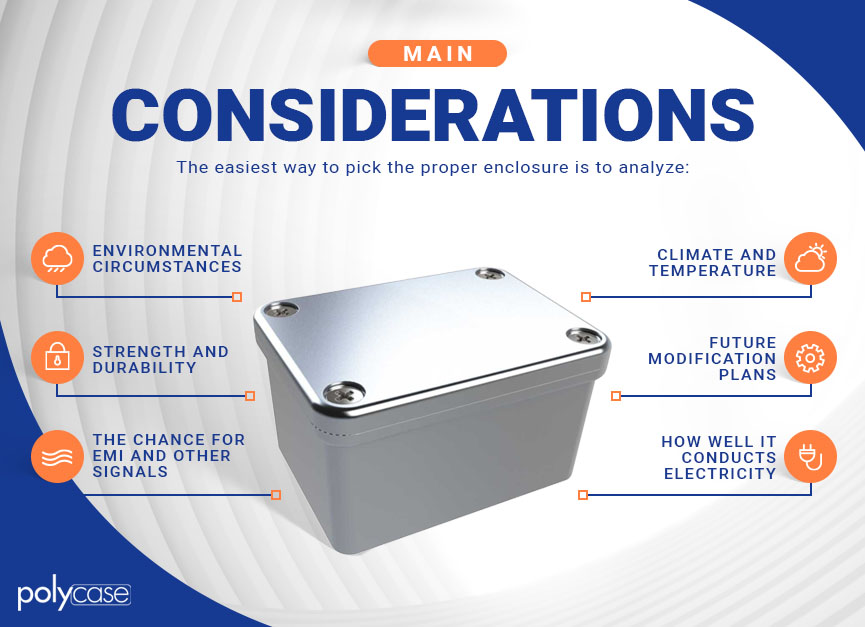
The easiest way to pick the proper enclosure is to analyze a few points of consideration. Weigh the pros and cons of each material against these considerations.
Determine if the enclosure will be near any dust, vapor, liquids, gases or any other foreign substance that may be routinely introduced to the unit’s surface. This is important because some metals corrode more easily or react differently to these substances. Cover as many bases as possible when determining what the enclosure will have to sit through. If the enclosure is in an outdoor area where getting wet is unavoidable, try one of our waterproof boxes to keep rain and other fluids at bay.
The enclosure must remain firmly in place to secure the goods inside. The first thing to determine is the weight of everything that will go inside the enclosure. If raw strength is what you need, then steel will win almost every time due to the extra weight capacity. One such example of a durable unit is the ZH-060604 Hinged Junction Box. Note the stainless-steel design with polycarbonate that resists impacts.
Electromagnetic interference has a strange effect on many types of equipment typically housed inside an enclosure. Metal enclosures offer some resistance to radio waves and other electromagnetic signals that get too close to the delicate items inside. The right enclosure will keep sensitive equipment from malfunctioning or being fried by overwhelming levels of electrical output.
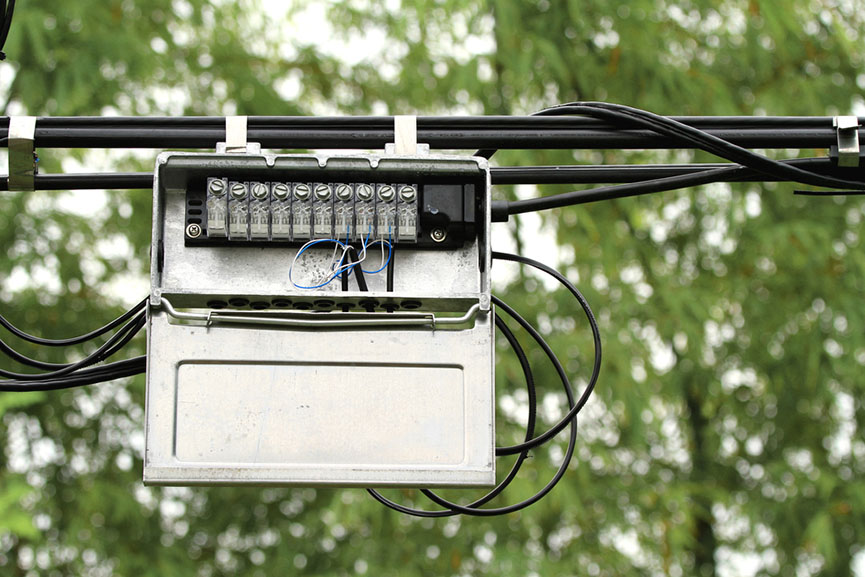
Will the contents of the enclosure require steady heat transfer between multiple components? Some metals conduct heat easily and pull it away from components housed inside the box. Aluminum and copper are known for their ability to conduct heat. If you’re enclosing something that generates heat, this can lower the temperature as the heat dissipates through the metal.
If you want the contents to stay at a more consistent temperature, especially if it might be in extremely hot or cold environments, then you might require an enclosure made from a material that does not conduct heat well, such as steel. If you need a material that does not oxidize or rust, consider a stainless steel enclosure.
Sometimes, modifications must be made to an existing junction box or enclosure. Whether it needs routine maintenance or you wish to move the unit outright, planning ahead will save you a headache down the line. Steel is heavier and harder to move around. However, drilling precise holes and adding cutouts in steel is far easier than with other types of metal. Consider what modifications you will need to make over the next 10 years before choosing your material.
Some metals, such as silver, copper and aluminum, are highly conductive to electricity. While great for wiring, metals may not be the best choice for housing electrical components. Some types of steel offer high resistance to electricity. Regardless of the type of metal used, if the junction box or enclosure contains electrical components, be sure to ground the unit to avoid injuries.
Take a Look at Our Huge Inventory of Metal Enclosures
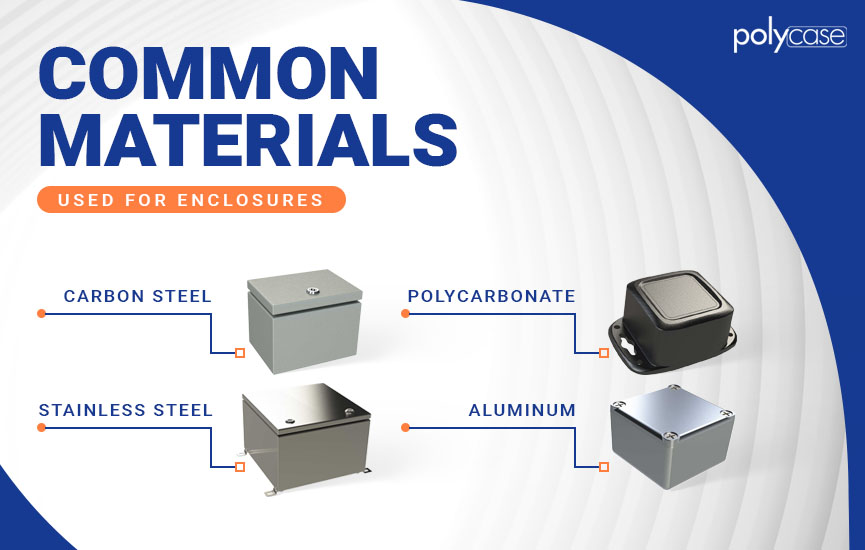
You will often hear about several types of materials when enclosures are discussed in the industrial world. We at Polycase offer enclosures that are made from various metals and alloys, such as diecast aluminum, extruded aluminum, carbon steel and stainless steel. Learn more about these materials by reading the list below:
Our carbon steel boxes are suitable for indoor and outdoor uses. This cost-effective material is appropriate for a wide range of environments. It’s highly durable and can be used to house electrical equipment.
This type is highly resistant to acids of all kinds. Comprising 18% chromium, type 304 keeps corrosion at bay even when consistent water pressure is applied. This makes type 304 steel perfect for commercial kitchens and other food storage locations that need to be cleaned thoroughly via harsh chemical sprays.
While not a metal, polycarbonate is an extremely durable material that is used for many of our enclosures. It can withstand powerful impacts while also being easy to modify with holes and cutouts. These shells can sit out in the sun for long periods without succumbing to ultraviolet damage. Polycarbonate plastics are generally quite resistant to inclement weather as well. It is also a non-conductive material. These properties combine to give polycarbonate enclosures an incredibly long lifespan, even when staged outdoors in harsh environments.
We offer diecast and extruded aluminum enclosures, both of which are great for housing electrical equipment. Some of our diecast enclosures are waterproof and are great for the outdoors or indoors. Extruded aluminum enclosures are lightweight and have internal slots, making it easy to slide equipment in and out.

It’s important to check with the official safety standards presented by the National Electrical Manufacturers Association (NEMA) before selecting your enclosures. By following the guidelines exactly as printed, you can make sure that you use appropriate materials every time. Keep everyone safe by double-checking the known standard.
You must make the correct decision about every electrical enclosure installed under your supervision. First, you need to assess the environment where the enclosure will be located. By analyzing the considerations laid out above and following NEMA’s official standards, you can determine if steel or another type of metal or nonmetal is ideal for enclosures in your environment.
Image Credits
Re2deer/Shutterstock.com
wind_dongdong/Shutterstock.com
Winai Tepsuttinun/Shutterstock.com