

Polycase Customization Services
Reliable, easy and cost-effective.

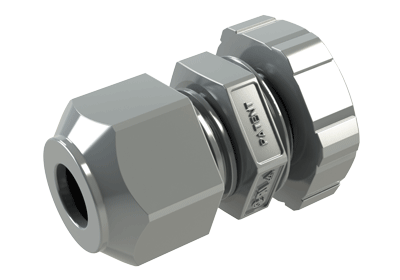
Below, you can find out more about the wide range of cable glands and vent accessories available from Polycase.
Why Your Enclosure Might Need Cable Glands and/or Vents
Electrical enclosures protect sensitive devices by controlling what gets in and what gets out — but even with a suitable NEMA or IP rated enclosure, challenges often remain. Solid and liquid ingress at the points where cable connectors enter and exit the enclosure is a common issue. In addition, even with a gasket, it’s surprisingly easy for moisture to accumulate inside an enclosure, which then turns to liquid when the temperature and/or pressure changes.
These factors can present real hazards to sensitive electrical components and even potentially compromise an enclosure’s NEMA and/or IP certifications. That’s why cable glands and vents are an essential component of junction boxes, control units and many other types of electrical equipment. Some also provide strain relief by keeping cables in position and preventing them from potentially damaging twists and tension.
Types of Cable Glands and Vents
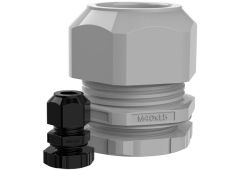
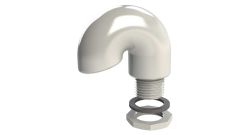
Let’s quickly review a few of the most common and useful types of cable glands and vents:
Factors to Consider When Selecting Cable Glands
Take note of these key requirements when you’re choosing a cable gland solution for your enclosure:
We invite you to browse Polycase’s entire selection of cable glands and vents here. See our full range of accessories for more options to outfit your enclosures.
 New
New 

 New
New 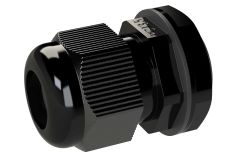
 New
New 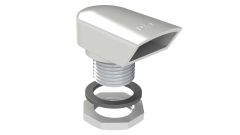
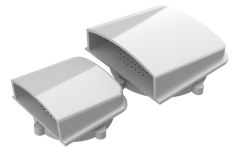
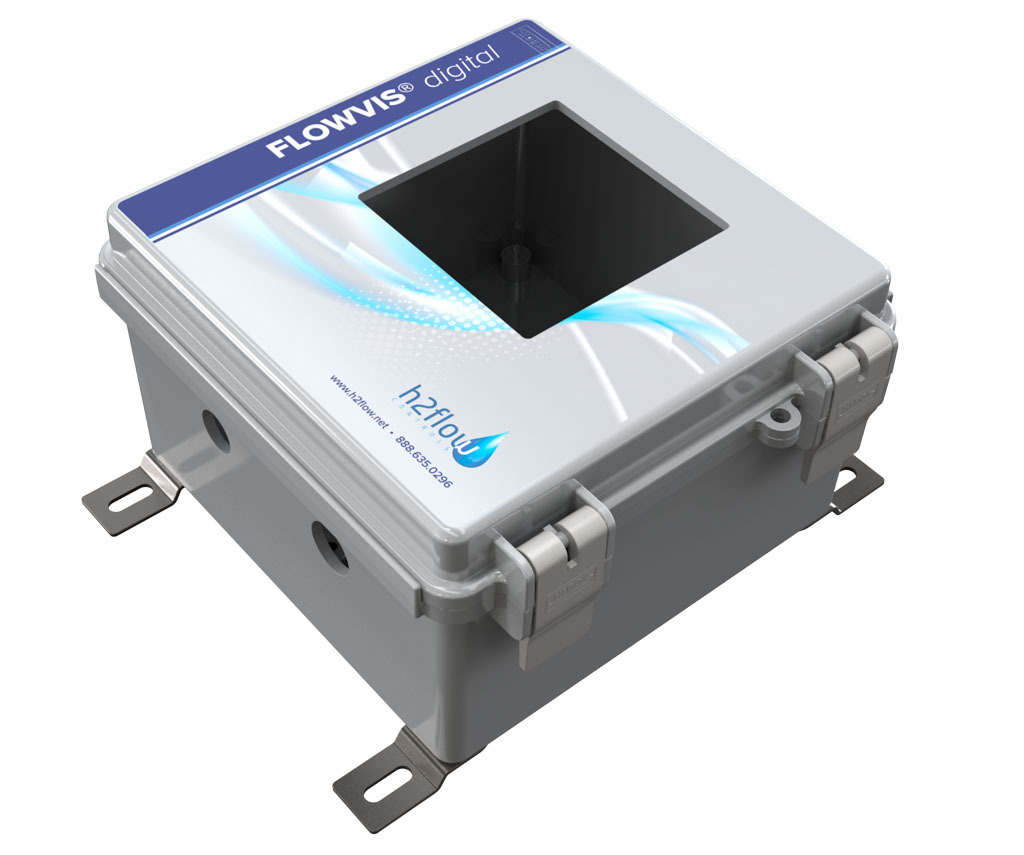
Reliable, easy and cost-effective.