

May 1, 2018
- Url
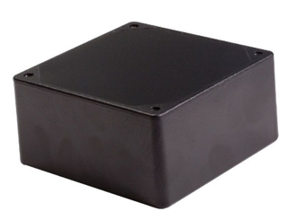 The highest UL rating for flame retardant plastic is UL94 5VA. This rating means that a product will not have a burn-through (hole) in laboratory test conditions. It will not develop any holes if it catches fire, and it will not drip burning plastic as a result of contact with a flame. Generally, this means the electronics within an enclosure with this rating are completely protected against an open flame.The Polycase DC Series heavy-duty enclosures and LP Series enclosures meet the UL94-5VA standard with the textured cover option. The thick, durable ABS plastic protects electronics well from an open flame.If the recessed cover option better suits your application, it will carry a UL94 V-0 flame rating. The UL94 V-0 rating means that the product is considered “self-extinguishing.” A self-extinguishing enclosure might catch fire when exposed to an open flame, but it will quickly stop burning— within 10 seconds. The electronics inside the enclosure will not be exposed to the flame.
 The rating system has several lessor ratings, but Polycase customers have found that DC Series and LP Series enclosures meet their needs with a variety of styles and sizes available. The following chart provides the UL standards for the flammability of plastic materials used for manufacturing electronics enclosures:5VA (Surface Burn): Burning stops within 60 seconds after five applications of five seconds each of a flame (larger than that used in Vertical Burn testing) to a test bar. Test specimens will not have a burn-through (no hole). This is the highest, most flame-retardant UL94 rating.5VB (Surface Burn): Burning stops within 60 seconds after five applications of five seconds each of a flame (larger than that used in Vertical Burn testing) to a test bar. Test specimens will have a burn-through hole.V-0 (Vertical Burn): Burning stops within 10 seconds after two applications of ten seconds each of a flame to a test bar. NO flaming drips are allowed.V-1 (Vertical Burn): Burning stops within 60 seconds after two applications of ten seconds each of a flame to a test bar. NO flaming drips are allowed.V-2 (Vertical Burn): Burning stops within 60 seconds after two applications of ten seconds each of a flame to a test bar. Flaming drips ARE allowed.H-B (Horizontal Burn): Slow horizontal burning on a 3mm thick specimen with a burning rate less than 3"/min or stops burning before the 5" mark. H-B rated materials are considered "self-extinguishing". This is the lowest (least flame-retardant) UL94 rating.Polycase offers enclosures that meet the highest industry standards for flame-retardant materials, water and dust protection, and chemical and solvent resistance. Check each model’s material specifications to be sure you are choosing the appropriate product. Material specification sheets can be found right on the products pages at www.polycase.com.